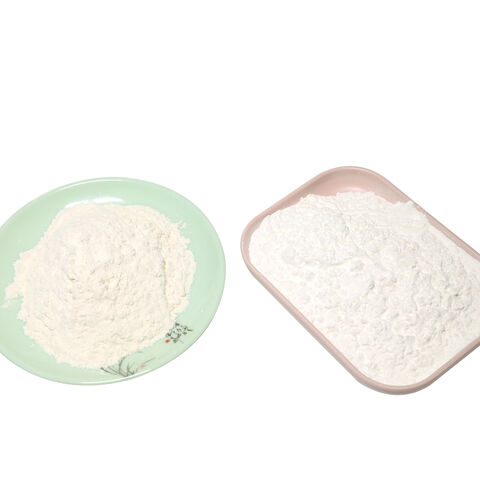
If you’ve ever enjoyed a bursting boba tea, a perfectly shaped dessert gel, or a low-fat sausage with a satisfying bite, you’ve likely encountered the magic of Sodium Alginate. This versatile ingredient is a powerhouse in the world of food science, but what exactly is it? In this blog post, we’ll dive into its origins, its chemical blueprint, and its incredible applications in the kitchen.
What is Sodium Alginate?
At its core, Sodium Alginate is a natural polysaccharide—a long chain of sugar molecules—extracted from the cell walls of brown seaweed species like kelp and sargassum. It’s a classic example of a hydrocolloid, a substance that forms a gel when it comes into contact with water. Because it’s derived from a natural source, it’s widely used in organic and “clean-label” products as a plant-based alternative to animal-derived gelling agents like gelatin.
Decoding the Sodium Alginate Formula
When we talk about the sodium alginate formula, it’s helpful to break it down into two parts:
1.The Chemical Formula: The specific sodium alginate chemical formula is (C₆H₇O₆Na)ₙ. This represents its repeating molecular structure. Let’s decipher this:
- C₆H₇O₆: This is the backbone, the alginic acid monomer. It’s a sugar derivative.
- Na: This is the sodium atom. During extraction, the natural alginic acid is treated with sodium carbonate, which replaces the hydrogen ions with sodium ions. This makes it soluble in water, which is crucial for its functionality.
- ₙ: This indicates that the molecule is a polymer, meaning the unit repeats hundreds or thousands of times, forming long, chain-like molecules.
2.The Functional Formula: For chefs and food scientists, the true “formula” for sodium alginate is its unique gelling mechanism. Unlike other gelling agents that require heat to set (like gelatin), sodium alginate gels in the presence of calcium ions. This process is known as spherification, a technique popularized by molecular gastronomy.
Culinary Magic: How Sodium Alginate Transforms Food
The unique chemistry of sodium alginate opens up a world of culinary possibilities:
- Spherification: This is the most famous application. A flavorful liquid (like fruit juice) is mixed with a small amount of sodium alginate. This mixture is then carefully dropped into a bath of water containing calcium (usually calcium chloride or calcium lactate). A thin, gelatinous membrane forms instantly on the surface, creating a liquid-filled sphere that bursts in the mouth.
- Thickening and Stabilizing: In products like ice cream, yogurt, and sauces, sodium alginate prevents the formation of ice crystals, improves texture, and stops ingredients from separating, ensuring a smooth and consistent product.
- Gel Formation: It can create everything from firm gels to soft, elastic ones, used in jellies, custards, and plant-based meat alternatives to provide structure and a juicy mouthfeel.
- Film Formation: It can be used to create edible films and coatings, helping to protect food and extend its shelf life.
Is It Safe?
Absolutely. Sodium Alginate is recognized as safe by major food safety authorities worldwide, including the FDA (in the USA) and EFSA (in Europe). It is not digested by the body, functioning as a soluble dietary fiber, which can even have benefits for digestive health.